Feb 28, 2026
Importance of Cargo Handling in the Aviation Industry
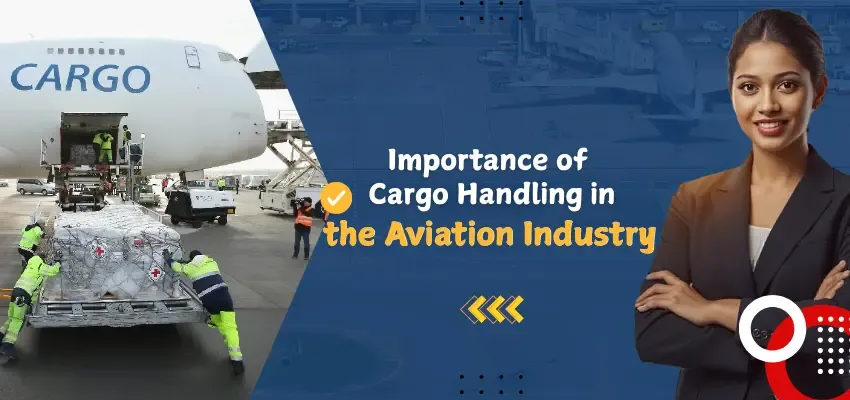
Cargo handling plays a vital role in the aviation industry, ensuring that goods are transported safely, efficiently, and on time across domestic and international destinations. While passengers often receive the spotlight, air cargo operations are equally important, supporting global trade, e-commerce, healthcare supply chains, and economic growth.
From pharmaceuticals and electronics to perishable food items and emergency medical supplies, aviation cargo connects businesses and communities worldwide within hours.
What Is Cargo Handling in Aviation?
Cargo handling in aviation refers to the process of managing, loading, unloading, storing, and transporting goods via aircraft. It involves coordination between airlines, ground handling teams, freight forwarders, customs authorities, and logistics providers.
The process includes:
Accepting and verifying cargo documentation
Security screening and inspection
Packaging and labeling
Safe loading and unloading of aircraft
Storage in warehouses or temperature-controlled facilities
Customs clearance and final delivery
Efficient cargo handling ensures smooth airport operations and prevents delays or damage.
Why Is Cargo Handling Important in the Aviation Industry?
1.Supports Global Trade
Air cargo is a backbone of international trade. High-value and time-sensitive goods such as medical equipment, automotive parts, and technology products rely on air transport for quick delivery. Proper cargo handling ensures these goods reach global markets without disruption.
2.Enables Fast and Reliable Delivery
Unlike sea or road transport, aviation offers the fastest mode of goods transportation. Efficient cargo handling systems reduce turnaround time, improve scheduling accuracy, and enhance supply chain reliability.
3.Critical for E-Commerce Growth
With the rise of online shopping, the demand for fast delivery has increased significantly. Aviation cargo handling plays a key role in meeting same-day or next-day delivery expectations, especially for international orders.
4.Ensures Safety and Compliance
Handling cargo involves strict safety regulations, especially when transporting:
Dangerous goods
Flammable materials
Chemicals
Pharmaceuticals
Live animals
Proper training and adherence to aviation safety standards prevent accidents and ensure compliance with international regulations.
5.Boosts Airport Revenue
Cargo operations contribute significantly to airport and airline revenue. Many airlines generate substantial income through cargo services, especially during periods when passenger traffic declines.
6.Creates Career Opportunities
The growth of air cargo operations has opened various career paths in:
Cargo operations
Airport ground handling
Logistics coordination
Warehouse management
Customs documentation
Supply chain management
With increasing globalization, skilled cargo handling professionals are in high demand both in India and abroad.
Skills Required in Aviation Cargo Handling
To succeed in cargo handling roles, students need:
Strong organizational skills
Attention to detail
Knowledge of logistics and documentation
Physical coordination and safety awareness
Communication and teamwork abilities
Professional training in aviation management programs prepares students with both theoretical knowledge and practical exposure.
Conclusion
Cargo handling is a crucial pillar of the aviation industry. It ensures the seamless movement of goods across borders, strengthens global trade, and supports modern economic systems. As international trade and e-commerce continue to expand, the importance of skilled cargo handling professionals will only increase.
Students aspiring to build a career in aviation can explore specialized training programs at reputed institutions like Chennais Amirta International Institute of Aviation, which offers industry-focused aviation courses designed to prepare students for real-world airport operations and cargo management careers.
Choosing the right and best aviation college can be your first step toward a dynamic and globally connected career in the aviation industry